 Minneapolis Premier Water Damage Restoration
Water Damage Restoration Minneapolis Minnesota
Minneapolis sits on the Mississippi River, and winter freezes, spring snowmelt events, and summer storms create year-round water damage risk across the Twin Cities metro. Ice dams force water under shingles in January. Pipes burst at −20°F in February. Sump pumps fail as snowpack melts in March. Minnehaha Creek floods through south Minneapolis after summer storms. When water enters your home, every hour matters. We provide water damage restoration in Minneapolis, MN and across the greater Twin Cities area, 24 hours a day, 7 days a week. Call (651) 666-5946 now for an immediate response.
Call Now — 24/7 Emergency ResponseGet a Free Quote
Water Damage Restoration Services in Minneapolis, Minnesota
Water damage in Minneapolis comes from multiple directions — no other major market combines ice dam roof intrusion, frozen pipe failures, spring snowmelt flooding, summer storm backups, and Mississippi River flooding into a single seasonal calendar. Whatever the source, water damage restoration in Minneapolis requires fast extraction, professional drying, and expert restoration to prevent secondary damage like mold. Minneapolis’s large stock of pre-1960 homes — particularly in Near North, Northeast, Longfellow, and South Minneapolis — features older plumbing, terracotta sewer laterals, and minimal waterproofing that compounds risk at every water event. Our IICRC-certified technicians handle every category of water loss: from clean water extraction to Category 3 black water remediation. We restore Minneapolis homes and commercial properties to pre-loss condition, working directly with your insurance company. Serving all of Hennepin County and the greater Twin Cities metro including Ramsey, Dakota, Anoka, and Washington counties.
Mold Remediation Minneapolis MN
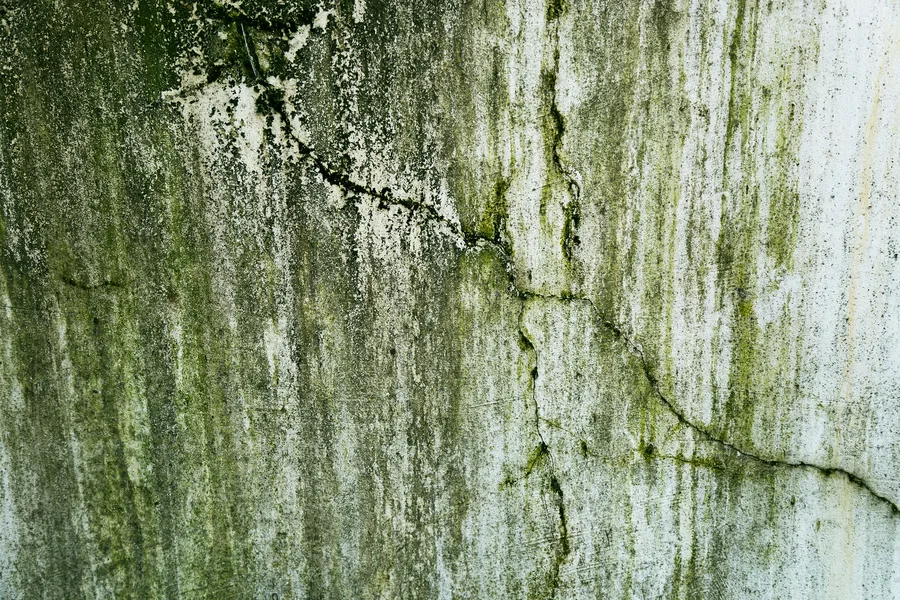
Minneapolis summer humidity — regularly 60 to 70 percent relative humidity in July and August — creates real mold risk after any water event. Mold can begin colonizing wet surfaces in as little as 24 to 48 hours, and Minneapolis’s older housing stock often has hidden moisture problems in crawl spaces, basement walls, and attic decks. Our IICRC-certified technicians use HEPA air scrubbers, negative-pressure containment, and EPA-registered antimicrobial treatments to stop mold at its source. Call (651) 666-5946 for a free mold estimate.
Learn More About Mold Remediation →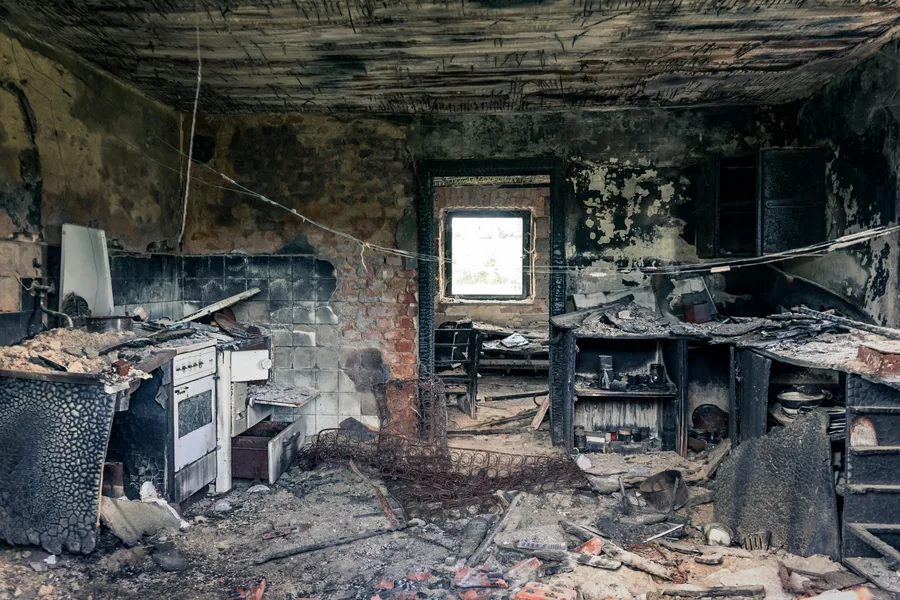
Fire & Smoke Damage Restoration Minneapolis
A house fire leaves behind more than charred structure — soot, smoke residue, and suppression water create secondary damage that continues long after the flames are out. Our FSRT-certified technicians handle smoke odor removal, soot cleaning, thermal fogging, hydroxyl treatment, and content pack-out. One often-overlooked fact: firefighting water requires the same extraction and structural drying as any flood event. Call (651) 666-5946 for 24/7 response.
Learn More About Fire & Smoke Damage →
Sewage Cleanup Minneapolis MN
Sewage backup is a Category 3 black water event — containing pathogens including bacteria, viruses, and parasites that pose serious health risks. Our biohazard-certified emergency sewage cleanup in Minneapolis is available 24/7. Common causes include aging combined sewer infrastructure in older Minneapolis neighborhoods, tree root intrusion into terracotta laterals, and sewer surcharges when heavy rain overwhelms the Minneapolis storm system. Do not attempt cleanup yourself — call (651) 666-5946 immediately.
Learn More About Sewage Cleanup →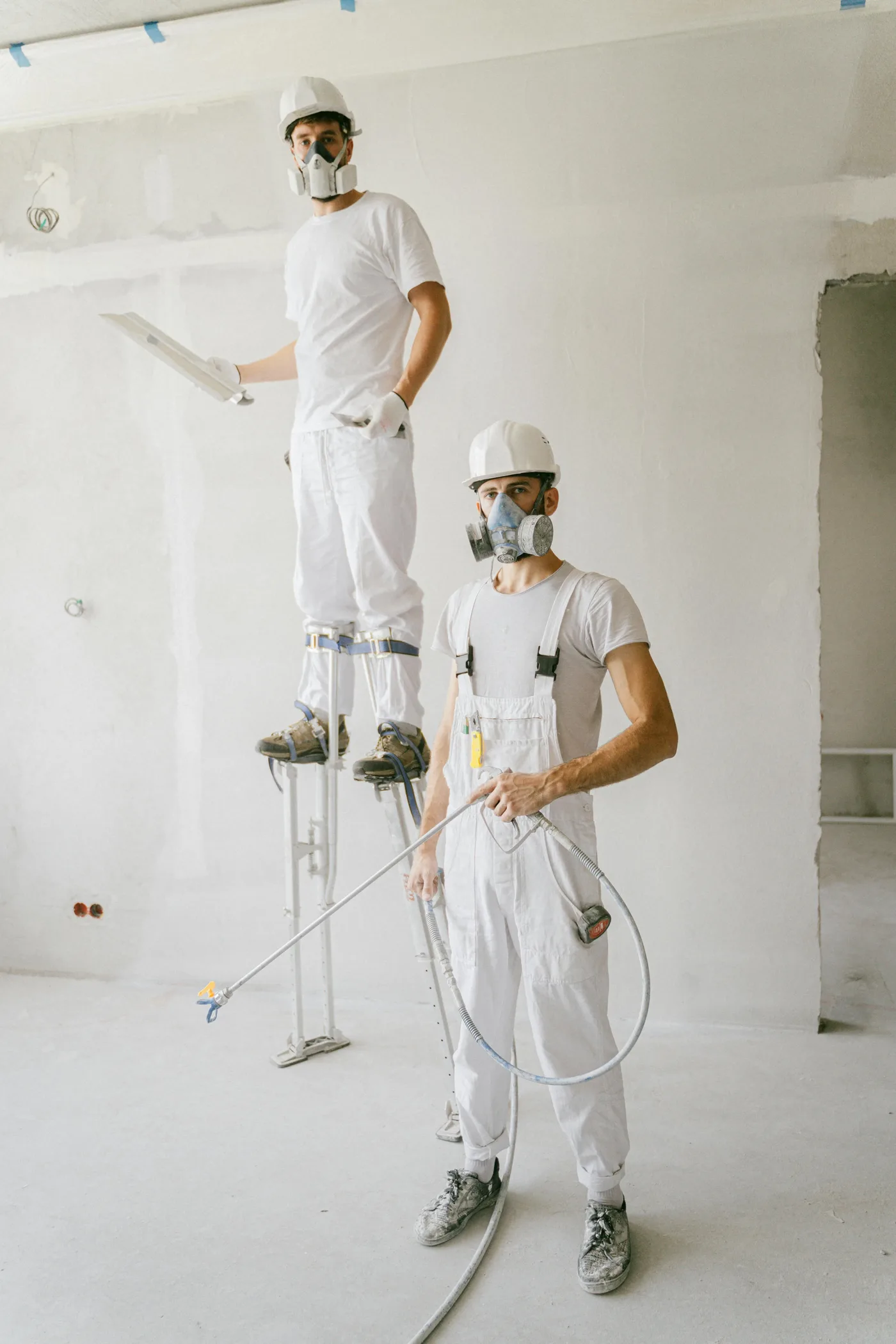
Emergency Water Removal Minneapolis MN
When water is actively standing in your Minneapolis home, every minute of delay increases structural damage and mold risk. Our 24/7 emergency water removal team dispatches across the greater Minneapolis area with truck-mounted extractors capable of removing hundreds of gallons per minute. We respond to burst pipes, spring snowmelt flooding, sump pump failures, ice dam intrusion, appliance failures, and Category 3 sewage backups. Call (651) 666-5946 for immediate dispatch.
Learn More About Emergency Water Removal →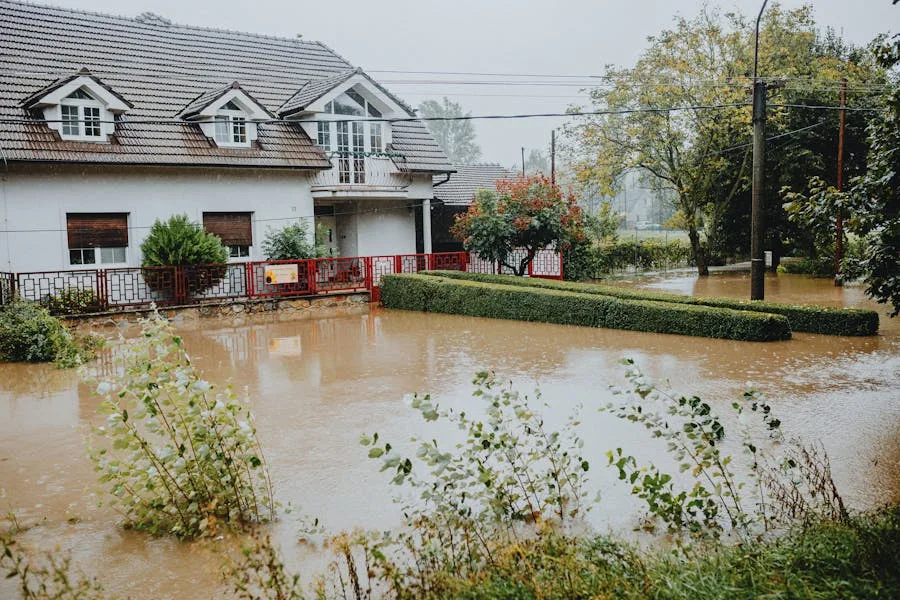
Structural Drying Minneapolis MN
After water extraction removes standing water, building materials retain significant moisture that must be professionally dried before mold can establish. Minneapolis’s summer humidity can make atmospheric drying conditions difficult even with windows open — industrial LGR dehumidifiers and high-velocity air movers are required to achieve drying goals. Our ASD-certified technicians monitor moisture daily to confirm drying targets are being met. Standard consumer dehumidifiers cannot achieve professional drying outcomes.
Learn More About Structural Drying →Storm, Flood & Winter Water Damage in Minneapolis, Minnesota
Minneapolis faces water damage risks that southern markets never encounter. The 1965 Mississippi River flood produced a 26-foot crest at the Saint Paul gauge — the largest flood event in Twin Cities recorded history — submerging the Bohemian Flats neighborhood and causing widespread damage along both riverbanks. The 2019 spring flood set new records in parts of the metro when record snowpack and rain combined on still-frozen ground. Minnehaha Creek, which drains chain-of-lakes water through south Minneapolis neighborhoods including Seward, Longfellow, and Cooper, has a documented history of flooding after significant rain events, with the creek regularly overflowing its banks near the Hiawatha corridor.
Minneapolis’s winter water damage profile is unique in the country. Ice dams form when heat escapes through poorly insulated roof decks, melting snow that refreezes at the cold eave edge and backs water up under shingles — directly into ceilings and walls. During January and February, sub-zero temperatures freeze pipes in uninsulated areas including exterior walls, garages, and crawl spaces. March and April bring sump pump failures as rapid snowmelt overwhelms pit capacity during sustained thaw periods. Any of these events requires the same professional extraction and structural drying response as a summer flood. If your Minneapolis home has experienced any type of water damage, call (651) 666-5946 now.
Our Water Damage Restoration Process
Water damage restoration is a science, not just a cleanup. The IICRC S500 standard governs how certified technicians assess, dry, and restore water-damaged structures. The correct drying approach depends on the water classification (Category 1 clean water, Category 2 grey water, or Category 3 black water) and the damage class (Class 1 through Class 4, based on how deeply water has penetrated materials). Our Minneapolis restoration team follows this framework on every job:
-
Emergency Contact & Assessment — Call (651) 666-5946 any time, day or night. We dispatch an IICRC-certified technician to your Minneapolis home within hours for a full assessment of the damage scope, water classification, and drying requirements.
-
Water Extraction — Truck-mounted vacuum extractors remove standing water fast — gallons per minute, not hours. Every minute of water contact increases structural damage and the risk of secondary mold growth.
-
Structural Drying — Industrial LGR dehumidifiers and high-velocity axial air movers dry affected walls, floors, and subfloors. We monitor moisture levels with calibrated moisture meters and adjust equipment placement using psychrometric monitoring to hit drying targets efficiently.
-
Mold Prevention & Monitoring — Stopping mold requires hitting drying goals, not just running equipment. We take readings daily and use thermal imaging cameras to confirm no moisture pockets remain hidden behind surfaces.
-
Restoration & Repair — Damaged materials are removed and replaced. Flooring, drywall, insulation, and structural components are restored to pre-loss condition. We document every step for your insurance claim.
Licensed, Certified & Ready 24/7
When you search for a restoration company in Minneapolis, you want technicians who understand that water moves — through walls, under floors, into structural cavities — and who have the equipment and training to follow it. Wood rot from water damage that is not properly dried can cost ten times more to repair than the original extraction would have. In Minneapolis’s older housing stock, water damage that goes undried can produce mold in basement walls, crawl spaces, and floor assemblies that spreads silently for months. We don’t cut drying short — and we’ll tell you when we’re done.
What Minneapolis Homeowners Are Saying
“We had an ice dam cause water to come through our ceiling in the upstairs bedroom during January. I didn’t realize how much water had gotten into the wall until the team opened it up. They had equipment running within hours and checked in every day. The repairs look perfect and we never had any mold issues.”— Karen T., South Minneapolis, MN
“Our sump pump failed during the spring thaw and we had three inches of water in the finished basement. These guys were the only ones who picked up the phone at midnight. Had a crew there by 2 a.m., everything extracted and equipment running. They handled our insurance claim from start to finish.”— Michael R., St. Louis Park, MN
“A pipe froze and burst in our exterior wall in February. Water got into the kitchen walls and cabinets before we caught it. The team was professional, thorough, and didn’t leave until the moisture readings were where they needed to be. Couldn’t have asked for better service.”— Diane L., Edina, MN
Serving Minneapolis and the Entire Greater Twin Cities Metro
We provide water damage restoration across Minneapolis, Minnesota and the surrounding Twin Cities metro — from Maple Grove and Coon Rapids to the north to Burnsville and Eagan to the south, and from Eden Prairie and Minnetonka to the west to Saint Paul and Woodbury to the east. Whether you’re in a pre-war Northeast Minneapolis bungalow or a newer Eden Prairie subdivision, our team dispatches from within the market.
Hennepin County
Minneapolis, Bloomington, Eden Prairie, Plymouth, Maple Grove, Brooklyn Park, Minnetonka, Richfield, Edina, St. Louis Park, Hopkins, Golden Valley
Ramsey County
Saint Paul, Roseville, Maplewood, Shoreview, Little Canada, Arden Hills
Dakota, Anoka & Washington Counties
Burnsville, Eagan, Apple Valley, Coon Rapids, Blaine, Woodbury, Cottage Grove, and surrounding Twin Cities communities
Whether you’re in a historic Prospect Park Victorian or a newer Plymouth townhome, our water damage restoration team in Minneapolis, Minnesota is ready to respond. Call (651) 666-5946 — we’re available 24/7, including nights and weekends.
Get a Free Water Damage Quote in Minneapolis
Don’t wait — water damage worsens quickly and mold risk begins within 24 to 48 hours. Call us now at (651) 666-5946 for 24/7 emergency response, or fill out the form and we’ll get back to you within the hour.
24/7 Emergency Response • IICRC Certified • Free Estimates • Licensed & Bonded in Minnesota
Water Damage Restoration FAQs — Minneapolis, Minnesota
-
Stop the water source if possible — shut off the main water valve for a plumbing failure, or get to safety and call professionals if it’s storm flooding. Turn off power to affected areas to prevent electrical hazards. Move valuables and important documents to dry areas. Document everything with photos before touching anything — your insurance adjuster will need this. Then call a certified restoration company immediately. Mold can begin establishing in 24 to 48 hours, so speed matters.
-
Minor jobs — a single room, a burst pipe with no structural damage — typically require 3 to 5 days of drying equipment running, followed by 3 to 7 days for any necessary repairs. Major flooding from a storm event, sump pump failure, or sewage backup can take 2 to 4 weeks from initial extraction to full restoration. Daily moisture monitoring is essential to confirm drying goals are being met.
-
Standard HO-3 and HO-5 homeowners policies typically cover sudden and accidental water damage from ice dams — the interior water intrusion caused by ice dam backup is generally covered even though the ice dam itself (and the resulting roof damage) may not be. Sump pump failure and sewage backup typically require separate riders. We work directly with your insurance company to document damage and support your claim regardless of coverage source.
-
Mold can begin colonizing wet surfaces in as little as 24 to 48 hours after a water event. Minneapolis summers are more humid than many people expect — average relative humidity of 60 to 70 percent in July and August. Any wet material — drywall, wood framing, insulation, carpet padding — is at risk from the moment the water event occurs. Professional structural drying equipment must bring indoor relative humidity below 60% to arrest mold growth; consumer fans and dehumidifiers are rarely sufficient for anything beyond a very minor spill.
-
Yes. Minneapolis faces water damage risk from multiple directions year-round: ice dams in winter, frozen pipe bursts in deep cold, sump pump overwhelm during spring snowmelt, and storm flooding in summer. The Mississippi River’s 1965 flood was the largest in Twin Cities recorded history. Minnehaha Creek floods regularly through south Minneapolis neighborhoods. Minneapolis’s large stock of older homes adds aging plumbing and sewer infrastructure risk on top of weather-driven events.
-
No. A licensed restoration company performs the scope and assessment on-site as part of the initial response — typically within a few hours of your call. Calling quickly is what matters most. If you wait for an inspection appointment, you’re giving water more time to penetrate building materials and mold more time to establish. We assess on arrival and begin work the same day.
-
Water mitigation is the emergency phase — stopping the damage from spreading. It includes extraction of standing water, drying structural materials, and containing the affected area to prevent secondary damage. Restoration is the rebuild phase — replacing damaged materials, repairing structures, and returning the property to pre-loss condition. Both phases are typically handled by the same certified restoration company, though insurance claims sometimes separate them into distinct line items.